
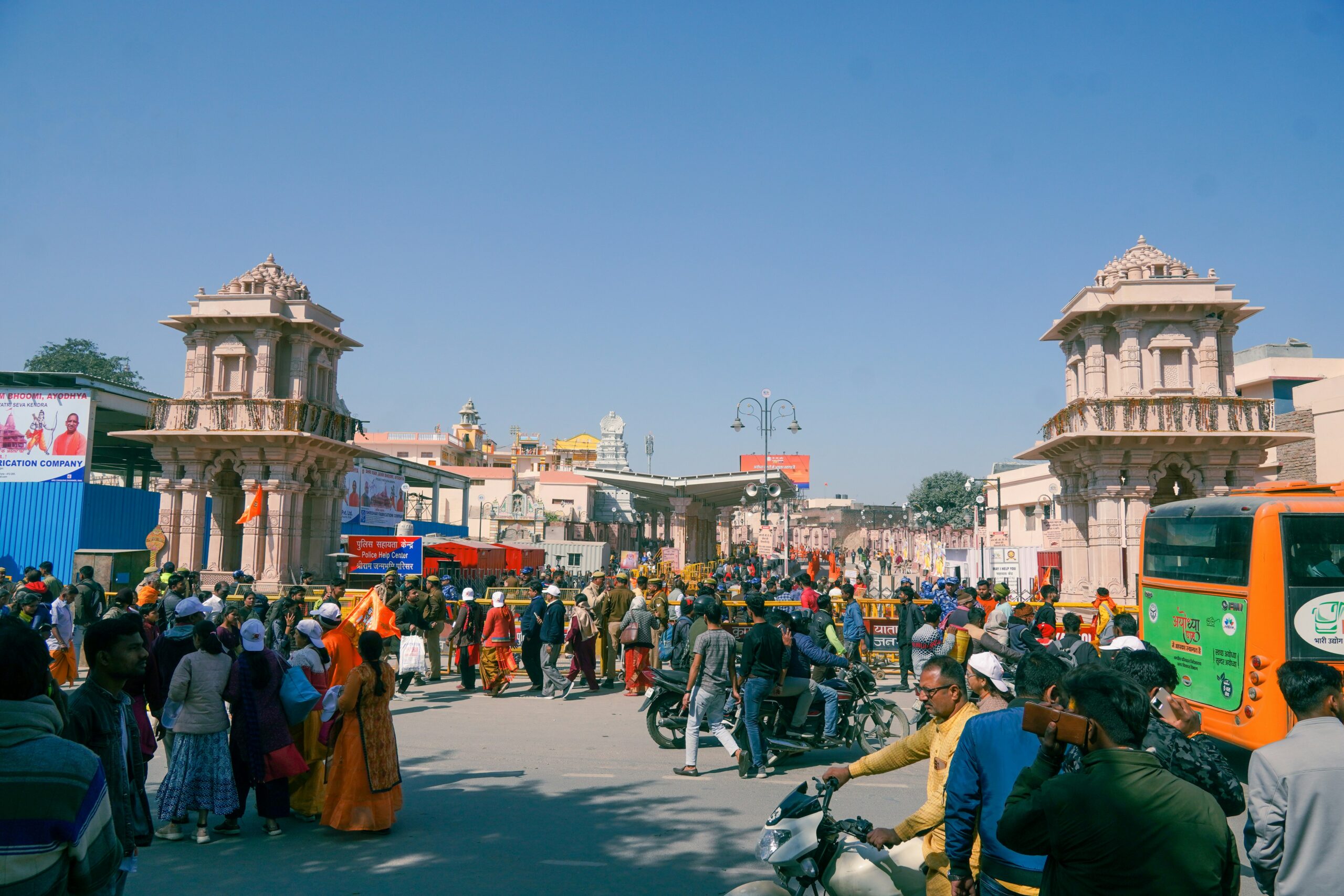
Senior Citizen Spiritual Circuit Tour Package , The Varanasi-Ayodhya-Prayagraj spiritual circuit holds special significance for senior citizens seeking to fulfill lifelong pilgrimage dreams. But here’s the challenge—these ancient cities weren’t designed with elderly comfort in mind. Steep ghat steps, crowded temples, uneven pathways, and basic facilities can transform spiritual journeys into physical ordeals. That’s why senior-friendly tour packages have emerged as essential rather than optional luxuries.
Let’s explore what makes a tour package genuinely senior-appropriate, realistic pricing expectations, and how to ensure your elderly parents or you yourself experience these sacred cities with dignity, comfort, and spiritual fulfillment rather than exhaustion and frustration.
What Makes a Package Senior-Friendly?
Senior Citizen Spiritual Circuit Tour Package , Senior-appropriate packages differ fundamentally from standard tours through specific accommodations that prioritize health, mobility, and comfort over cost-cutting.
Accessibility features become paramount. Hotels must have elevators or ground-floor rooms—no third-floor walk-ups. Bathrooms need grab bars, non-slip flooring, and western-style toilets alongside Indian options. Doorways should accommodate walkers or wheelchairs if needed.
Pacing matters enormously. Senior packages limit activities to 3-4 hours of actual touring per day with substantial rest periods. Morning activities conclude by noon for lunch and afternoon rest. Evening activities stay optional, not mandatory. This prevents exhaustion that ruins subsequent days.
Medical support distinguishes quality senior packages. This includes tour managers trained in basic first aid, partnerships with local hospitals in each city, 24/7 medical helpline access, and vehicles carrying basic medical supplies and oxygen if needed at altitude or for respiratory issues.
Dietary considerations get serious attention. Senior packages provide easily digestible vegetarian meals avoiding excessive spices, regular meal timing without long gaps that affect medication schedules, and accommodation of specific dietary restrictions like diabetic-friendly or low-sodium options.
Transportation comfort becomes non-negotiable. Vehicles must have low step-in height for easy boarding, ample legroom, excellent suspension for India’s occasionally rough roads, working AC, and frequent bathroom break allowances without feeling rushed.
Realistic Pricing for Senior Packages
Senior-specific packages cost more than standard tours—typically 25-40% premiums—because genuine accessibility and comfort require additional resources.
Budget Senior Packages (₹28,000-40,000 per person): These represent the minimum viable comfort level for elderly travelers. Expect 3-star hotels with elevators and accessible rooms, private vehicles with reasonable comfort, experienced guides patient with slower pacing, all meals included focusing on digestible options, and basic medical support like first aid kits and emergency contact lists.
For a couple, budget around ₹56,000-80,000 total for a 5-day tour. This tier works for relatively healthy, mobile seniors without major medical concerns who need comfort but not luxury.
Mid-Range Senior Packages (₹40,000-65,000 per person): This sweet spot delivers significant comfort improvements. Accommodation upgrades to 4-star hotels or heritage properties with excellent accessibility, superior vehicle quality with better suspension and space, experienced senior-specialist guides who’ve worked with elderly groups extensively, comprehensive meal planning with dietary customization, and enhanced medical support including tie-ups with quality hospitals.
Couples should budget ₹80,000-1,30,000 total. This range suits seniors with some mobility limitations, chronic conditions requiring monitoring, or those who simply want substantial comfort margins.
Premium Senior Packages (₹65,000-1,00,000+ per person): These cater to seniors requiring maximum assistance or preferring luxury comfort. Features include 5-star hotels with full accessibility compliance, luxury vehicles with hydraulic lifts if needed, personal attendants available if required, complete medical support including on-call doctors, wheelchair availability at all sites, and utterly customizable pacing allowing complete flexibility.
For couples, expect ₹1,30,000-2,00,000+ investment. This tier serves seniors with significant mobility challenges, serious health conditions requiring constant monitoring, or those accustomed to luxury travel standards who won’t compromise despite age.
What Senior Packages Must Include
Beyond standard inclusions, senior packages should specifically provide:
VIP darshan arrangements at major temples eliminating long queue standing. Many temples offer senior citizen priority or special access—good operators arrange this proactively rather than making elderly travelers stand in crowds.
Wheelchair or walker availability at hotels and major sites. Even seniors who don’t typically use mobility aids appreciate having them available for longer walking days or when feeling tired.
Room amenities like firm mattresses (better for back support), nightlights preventing disorientation during bathroom visits, easily accessible electrical outlets avoiding bending, and emergency call buttons or phones with direct hotel reception access.
Flexible cancellation policies recognizing that senior health is unpredictable. Quality senior packages allow modifications or cancellations closer to departure dates than standard tours, understanding that medical issues may arise.
Travel insurance inclusion covering seniors up to 70-75 years old. Many standard policies exclude elderly travelers or charge prohibitive premiums—senior packages negotiate group rates making coverage affordable.
Special Considerations for Sacred Sites
The spiritual circuit presents unique senior challenges requiring creative solutions.
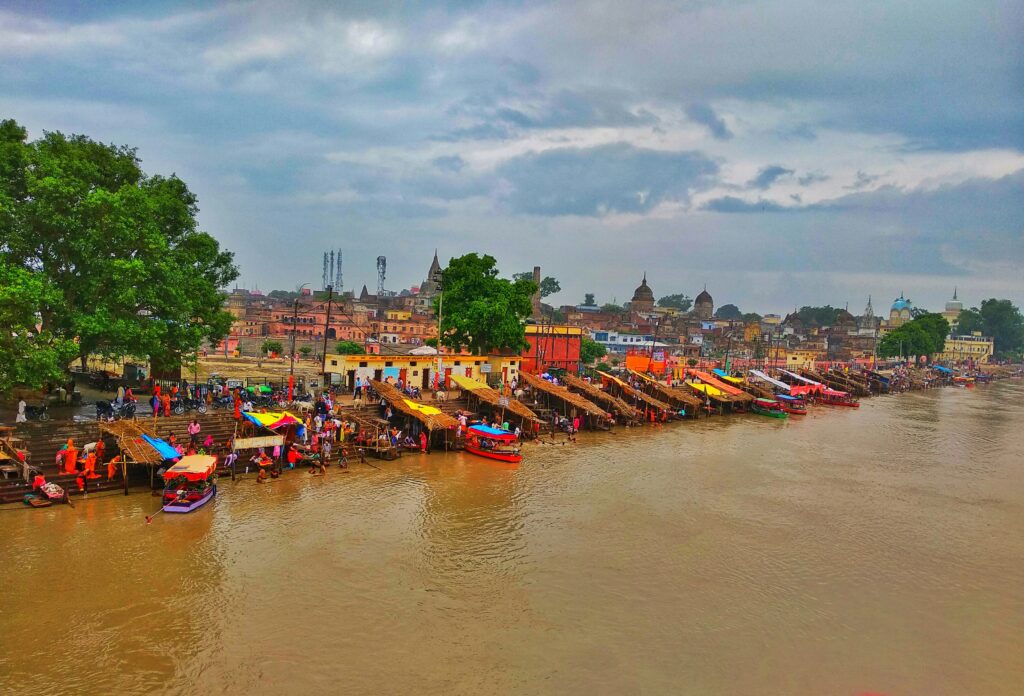
Varanasi’s ghats involve steep, uneven steps. Senior packages arrange boat access directly to ghats, minimizing step-climbing. For viewing the famous Ganga Aarti, boats provide front-row seats without crowd navigation. Some premium packages arrange private ceremonies at less crowded ghats where seniors participate comfortably.
Temple access often involves stairs and crowding. Senior packages time visits during off-peak hours when temples are quieter and cooler. They arrange special permissions for vehicle access closer to entrances where normally prohibited, reducing walking distances dramatically.
Boat rides at sunrise or for Sangam visits need careful handling. Operators use stable, larger boats with railings rather than small, wobbly ones. Boarding assistance and life jackets suited to seniors become standard.
Walking tours through old city lanes—essential Varanasi experiences—get modified for seniors. Rather than extensive walks, operators use cycle rickshaws or arrange shorter walking segments with frequent sitting breaks at cafes or ghat seating areas.
Hidden Costs and Budgeting
Even comprehensive senior packages have potential additional costs families should anticipate:
Single occupancy supplements apply if one elderly parent travels alone after losing a spouse. These typically add 40-60% to base package costs since hotel pricing assumes double occupancy.
Medical expenses beyond emergencies—regular medications, physician consultations for minor issues, or medical equipment rental might not be covered. Budget ₹3,000-5,000 contingency.
Specialized dietary requirements extremely specific to certain conditions might involve additional costs if going beyond standard customization.
Personal assistance like hiring a dedicated attendant for seniors requiring constant support (help with bathing, dressing, mobility) costs ₹1,500-2,500 daily extra.
Travel insurance premiums for seniors over 70 can add ₹2,000-5,000 per person depending on coverage levels and pre-existing condition declarations.
Choosing the Right Operator
Not all operators claiming “senior-friendly” credentials deliver appropriately. Evaluate them rigorously:
Ask specific questions: “What’s the maximum daily walking distance?” “Are all hotels elevator-equipped?” “What’s your protocol if someone needs medical attention in Varanasi at 2 AM?” Vague answers indicate inexperience.
Request references from families whose elderly parents recently completed tours. Direct conversations reveal realities marketing materials hide.
Check guide qualifications specifically around senior care. Have guides completed basic medical training? Do they have experience managing senior groups?
Examine sample itineraries for pacing realism. If the itinerary shows four major sites daily with early starts and late finishes, it’s not genuinely senior-appropriate regardless of claims.
Verify medical partnerships. Which hospitals do they work with in each city? Can they provide doctor contact numbers? Quality operators have established relationships, not just Google searches during emergencies.
When to Book and Best Seasons
Timing matters tremendously for senior comfort. October through February offers ideal weather (15-25°C) but brings peak pricing and crowds. November-December particularly sees 30-40% price premiums.
Late February and March provide excellent compromise—comfortable weather cooling from winter warmth but not yet summer heat, smaller crowds, and 15-25% lower pricing than peak season.
September can work if seniors don’t mind occasional rain and humidity. Prices drop to their lowest (40-50% below peak), crowds thin dramatically, and the post-monsoon landscape appears lush and beautiful.
Avoid April-July completely for senior travel. Heat exceeding 40°C creates serious health risks for elderly travelers, particularly those with cardiac or respiratory conditions.
Book 3-4 months in advance for best senior-appropriate hotel availability. The limited inventory of truly accessible rooms in these cities books quickly during preferred seasons.
Making the Decision
For families, this investment—₹50,000 to ₹1,00,000+ per parent—requires careful consideration. But frame it appropriately: you’re purchasing potentially your parents’ final opportunity to complete pilgrimage dreams they’ve held for decades.
The price tag seems large until you consider what you’re actually buying—fulfilling lifelong spiritual aspirations, creating precious final family memories together, and ensuring elderly parents experience sacred sites with dignity rather than struggle.
Many adult children struggle with guilt about not personally organizing and accompanying their parents. Quality senior packages absolve this guilt through professional care that often exceeds what family members could provide while managing work and other responsibilities.
For seniors themselves deciding whether to invest in premium packages over budget options, consider this: at 70+ years old, this might be your only journey to these sacred sites. The physical and spiritual significance justifies prioritizing comfort and safety over savings you may not live long enough to spend elsewhere.
Conclusion
Senior citizen spiritual circuit packages serve a sacred purpose—enabling elderly pilgrims to fulfill spiritual goals during their precious remaining healthy years. Pricing from ₹28,000 to ₹1,00,000+ per person reflects genuine differences in comfort, accessibility, medical support, and pacing rather than mere luxury markup.
The best packages recognize that seniors aren’t just “difficult tourists” requiring special handling—they’re honored elders deserving respect, patience, and thoughtful accommodation enabling spiritual journeys that may crown their lives with meaning. Choose operators who understand this philosophy, budget appropriately for genuine comfort, and prioritize experience quality over cost savings.
The sacred Ganges, the holy Sangam, and Lord Rama’s birthplace await your parents or await you. Let them experience these eternal spiritual touchstones with the comfort, dignity, and reverence they deserve.
FAQs
1. What’s the maximum age most tour operators accept for senior packages?
Most standard senior packages accept travelers up to 75-80 years old who are reasonably mobile and healthy. Beyond 80, operators require medical fitness certificates from physicians and may mandate traveling with younger family companions. Some premium operators specialize in very elderly travelers (80-90+) but charge significant premiums (50-100% above standard senior rates) and require comprehensive medical documentation, travel insurance with evacuation coverage, and signed liability waivers. If your parent is over 75, start conversations with operators early, be transparent about health conditions, and expect enhanced scrutiny before acceptance. Some operators simply won’t accept very elderly travelers due to liability concerns—find specialists who will.
2. Can wheelchair-bound seniors complete this tour, and what’s the cost difference?
Yes, but with significant modifications and cost increases of 60-100% above standard senior packages. Wheelchair accessibility in Varanasi’s old city is extremely limited—narrow lanes prohibit wheelchair access to many sites. Operators work around this by using vehicle access to temples’ back entrances where permitted, arranging carrying assistance up steps (4-6 people can carry a wheelchair with occupant safely), and focusing on accessible sites while skipping impossible ones. Hotels need specific wheelchair-accessible room reservations (limited inventory). Transportation requires specialized vehicles with hydraulic lifts (₹8,000-12,000 daily vs. ₹4,000-6,000 standard). Budget ₹80,000-1,50,000 per wheelchair-bound person for genuine accessibility, not token promises.
3. Are there any senior citizen discounts available on these tour packages?
Many hotels and railways offer senior citizen discounts (10-50% off), but tour operators typically don’t pass these savings to clients—they’re absorbed into overall package pricing since senior-specific modifications cost operators more than standard tours. However, some government tourism operators and non-profit organizations offer subsidized pilgrimage packages for seniors, particularly during off-peak seasons. These can be 30-40% cheaper than commercial packages but often involve larger groups, less flexibility, and basic accommodation. Check State Tourism websites and religious organizations for subsidized options. Also ask operators directly about senior discounts—some provide 5-10% reductions for groups of 4+ seniors traveling together.
4. What medical documentation should seniors carry during the tour?
Essential medical documentation includes comprehensive medication list with generic names (Indian pharmacies might not recognize brand names), physician contact information including international numbers if possible, health insurance cards with 24/7 claim support numbers, detailed medical history including chronic conditions and surgeries, allergy information (especially medication allergies), vaccination records if recent, and prescriptions for all medications carried (critical to avoid customs issues). Consider carrying medical summaries in both English and Hindi. For serious conditions, carry recent ECG reports, blood test results, or imaging studies. Store both physical copies and digital backups on phones or cloud storage. Inform tour operators about all conditions upfront—don’t hide issues that might require emergency response.
5. How do senior packages handle emergencies or sudden health issues during the tour?
Quality senior packages have multi-layer emergency protocols. First response involves tour managers with basic first aid and emergency medication (blood pressure, diabetic emergency, cardiac issues). Second layer activates local doctor on-call services—operators maintain relationships with physicians who conduct hotel visits within 1-2 hours. Third layer involves hospital partnerships—operators have pre-arrangements with quality hospitals in each city for priority admission without typical Indian hospital bureaucracy. Fourth layer engages medical evacuation services for critical situations requiring air ambulance transfer to Delhi or Mumbai super-specialty hospitals. The best packages include 24/7 emergency helpline connecting family members with tour managers and medical professionals during crises. Emergency costs get initially covered by operators with later settlement through insurance or family reimbursement





[…] parents, senior citizen pilgrim groups, and devotees with mobility considerations, TripCosmos’s Senior Citizen Spiritual Circuit Tour Package covers Varanasi, Ayodhya, and Prayagraj with specifically designed accessibility arrangements at […]